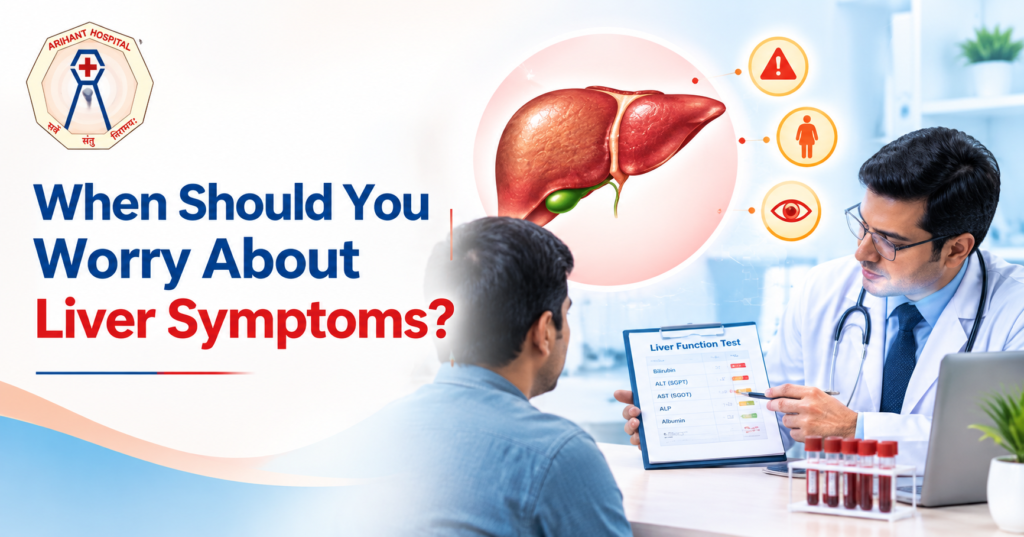
The liver performs several important functions, including removing toxins from the blood, supporting digestion, storing energy, and helping the body process medicines and nutrients. When the liver becomes damaged, symptoms may appear slowly and can sometimes be mistaken for ordinary tiredness, acidity, or digestive problems.
People looking for a Gastroenterologist in Nashik may be advised to undergo a liver evaluation if symptoms continue, worsen, or occur along with risk factors such as diabetes, obesity, alcohol use, viral hepatitis, or a family history of liver disease. Early detection can help identify the cause and prevent further damage.
Many liver conditions are treatable, especially when diagnosed before serious complications develop. Understanding the warning signs can help you seek medical care at the right time.
Early Liver Symptoms You Should Not Ignore
Liver disease does not always cause obvious symptoms in its early stages. Some people may have liver damage for years without knowing it. When symptoms do appear, they may be mild and nonspecific.
Common early warning signs include:
1. Persistent Fatigue and Weakness
Feeling tired after a busy day is normal. However, constant fatigue that does not improve with proper sleep may require medical attention. Liver disease can affect energy levels, nutrition, metabolism, and the body’s ability to remove waste products.
If tiredness continues for several weeks, especially with poor appetite or abdominal discomfort, speak with a doctor.
2. Loss of Appetite and Unexplained Weight Loss
A damaged liver may affect digestion and appetite. Some people feel full quickly, experience nausea, or lose interest in food. Unintentional weight loss should not be ignored, particularly when it occurs with weakness or abdominal symptoms.
Weight loss can have many causes, but liver disease, chronic infections, digestive conditions, and certain cancers may need to be ruled out.
3. Nausea, Vomiting, or Digestive Discomfort
Repeated nausea, vomiting, bloating, or discomfort in the upper right side of the abdomen may be associated with liver or gallbladder problems. These symptoms can also occur due to acidity, infections, medication side effects, or other digestive conditions.
If symptoms are frequent, severe, or associated with jaundice, dark urine, or swelling, medical evaluation is important.
4. Persistent Itching
Unexplained itching, especially when there is no visible rash, can sometimes be linked to problems with bile flow. Bile-related conditions may cause itching on the arms, legs, palms, soles, or throughout the body.
Itching may also result from allergies, skin disease, kidney problems, or medication reactions. Persistent itching should be evaluated instead of being treated only with home remedies.
5. Dark Urine or Pale Stools
Changes in urine and stool colour can sometimes indicate a problem with bile processing or drainage.
Possible warning signs include:
- Urine that becomes unusually dark or brown.
- Stools that appear pale, grey, or clay-coloured.
- Yellowing of the eyes or skin.
- Itching along with urine or stool colour changes.
These symptoms may occur with liver inflammation, bile duct blockage, gallstones, or other conditions that affect bilirubin processing.
Symptoms That May Indicate Advanced Liver Disease
Some symptoms suggest that liver damage may be progressing or that complications have developed. These signs require prompt medical attention.
Yellow Eyes or Skin
Yellowing of the eyes or skin is called jaundice. It occurs when bilirubin builds up in the body. Jaundice may be caused by hepatitis, liver damage, bile duct blockage, gallstones, certain medicines, or other medical conditions.
New or worsening jaundice should always be assessed by a doctor. It is especially concerning when accompanied by fever, abdominal pain, confusion, or vomiting.
Swelling in the Abdomen or Legs
Fluid accumulation in the abdomen is called ascites. It may cause the stomach to appear enlarged, tight, or uncomfortable. Swelling may also occur in the feet, ankles, and legs.
Ascites can be a sign of advanced liver disease and may increase the risk of infection and breathing difficulty. Sudden abdominal swelling, fever, pain, or shortness of breath requires urgent medical care.
Easy Bruising or Bleeding
The liver helps produce proteins needed for blood clotting. When liver function becomes impaired, some people may bruise easily, experience frequent nosebleeds, or bleed for longer than expected.
Vomiting blood, passing black stools, or experiencing heavy bleeding is a medical emergency and requires immediate hospital treatment.
Confusion, Memory Problems, or Changes in Behaviour
Advanced liver disease can sometimes cause a condition called hepatic encephalopathy. Waste products that are normally processed by the liver may affect brain function.
Warning signs include:
- Confusion or unusual behaviour.
- Difficulty concentrating.
- Excessive sleepiness.
- Changes in handwriting or coordination.
- Forgetfulness.
- Slurred speech.
- Reduced alertness.
Sudden confusion or difficulty staying awake should be treated as an emergency.
When Should You See a Liver Specialist?
You should schedule a medical consultation if you experience persistent symptoms, abnormal liver test results, or risk factors for liver disease.
A Liver specialist may be needed when you have:
- Persistent fatigue, nausea, or loss of appetite.
- Repeated abnormal liver function tests.
- Yellow eyes or skin.
- Unexplained itching.
- Abdominal swelling or leg swelling.
- A history of hepatitis B or hepatitis C.
- Fatty liver with diabetes, obesity, or abnormal liver enzymes.
- Regular or heavy alcohol consumption.
- A family history of liver disease.
- Previous liver-related hospitalisation.
- Unexplained changes in urine or stool colour.
Do not wait for severe symptoms before seeking help. Some liver conditions can progress silently, and early treatment may reduce the risk of cirrhosis, liver failure, or liver cancer.
How Are Liver Problems Diagnosed?
A doctor usually begins with a detailed medical history and physical examination. You may be asked about alcohol intake, medicines, supplements, previous infections, weight changes, diabetes, and family history.
Depending on your symptoms, the evaluation may include:
- Liver function tests: These assess bilirubin, albumin, liver enzymes, and other markers.
- Complete blood count: This may help identify anaemia, infection, or low platelet levels.
- Kidney function and clotting tests: These help assess the overall condition and severity of liver disease.
- Viral hepatitis tests: These identify hepatitis B, hepatitis C, and other infections.
- Ultrasound: This can assess liver size, fatty changes, gallbladder problems, fluid collection, and some structural abnormalities.
- FibroScan or elastography: These tests may estimate liver stiffness and help assess fibrosis.
- CT or MRI scans: These may be required when doctors need more detailed information about the liver, blood vessels, or a suspected tumour.
- Additional tests: Autoimmune, metabolic, genetic, or other investigations may be advised based on the suspected cause.
An abnormal liver test does not always mean severe liver disease. Results must be interpreted together with symptoms, medical history, examination findings, and imaging.
Treatment Options for Liver Disease
Treatment depends on the cause, severity, and stage of liver damage. There is no single treatment that works for every liver condition.
Common treatment approaches may include:
- Antiviral medicines for selected viral hepatitis infections.
- Weight management and physical activity for fatty liver disease.
- Complete alcohol avoidance in alcohol-related liver disease.
- Medicines for autoimmune or inflammatory liver conditions.
- Treatment of diabetes, cholesterol, and blood pressure.
- Medicines to control swelling, fluid retention, itching, or other complications.
- Dietary guidance to improve nutrition and manage salt or fluid intake.
- Regular monitoring for cirrhosis-related complications.
- Endoscopic treatment for certain bleeding veins.
- Liver transplant evaluation in advanced liver failure or selected liver cancers.
Avoid taking herbal remedies, supplements, painkillers, or over-the-counter medicines without medical advice. Some products may worsen liver injury or interact with prescribed treatment.
How Can You Protect Your Liver?
Simple lifestyle changes can support liver health and reduce the risk of further damage.
- Maintain a healthy weight.
- Avoid alcohol or follow your doctor’s advice strictly.
- Control diabetes, cholesterol, and blood pressure.
- Eat a balanced diet with adequate fibre and protein.
- Exercise regularly according to your health condition.
- Avoid unnecessary medicines and supplements.
- Do not share needles, razors, or toothbrushes.
- Ask your doctor about hepatitis vaccination.
- Attend regular follow-up appointments if you have fatty liver, hepatitis, or cirrhosis.
- Never ignore jaundice, bleeding, confusion, or sudden abdominal swelling.
Conclusion
Liver symptoms can range from mild fatigue and poor appetite to serious signs such as jaundice, abdominal swelling, bleeding, and confusion. Because liver disease may remain silent in its early stages, timely testing is important, especially for people with diabetes, obesity, hepatitis, alcohol-related risk, or a family history of liver problems.
Dr. Chaitanya Lodha offers specialised evaluation and treatment for liver and digestive health concerns. With appropriate investigations, accurate diagnosis, and personalised treatment planning, patients can take timely steps toward protecting liver function and preventing complications. Consult Dr. Chaitanya Lodha when looking for an experienced Liver specialist in Nashik.
#LiverHealth #LiverDisease #FattyLiver #LiverCirrhosis #LiverSpecialist #Gastroenterology #LiverAwareness #HealthyLiver