
Colon health is often overlooked until symptoms become hard to ignore. However, one of the most effective ways to prevent serious gastrointestinal issues, including colon cancer, is through a colonoscopy.
As a gastroenterologist, I recommend colonoscopy not only as a diagnostic tool but also as a preventive procedure that can save lives. In this blog, we’ll explain what a colonoscopy is, who needs it, how it’s done, and why it’s crucial for maintaining long-term digestive health.
What Is a Colonoscopy?
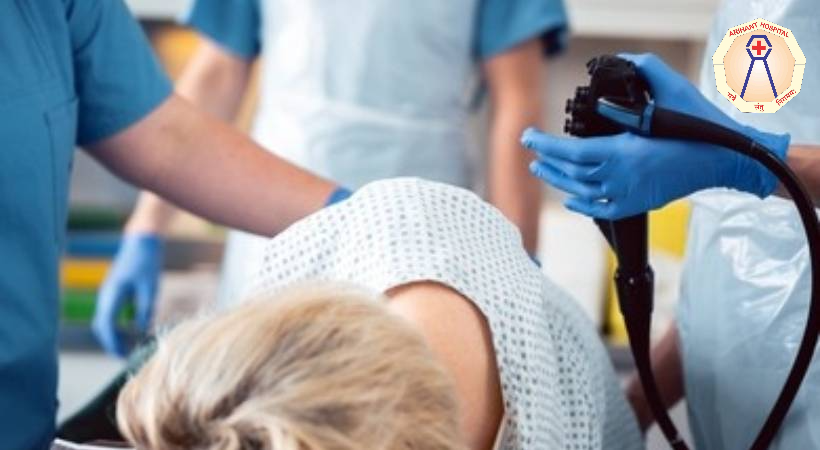
A colonoscopy is a procedure that allows a gastroenterologist to view the inside of your colon (large intestine) using a long, flexible tube equipped with a camera called a colonoscope. This tool is inserted through the rectum and transmits real-time images of the colon to a monitor.
During the procedure, the doctor can:
-
Identify inflammation, ulcers, or abnormal growths
-
Remove polyps (small tissue growths) before they become cancerous
-
Take tissue samples (biopsies) for further testing
Why Is a Colonoscopy Important?
Colonoscopy is vital for:
-
Detecting colon cancer early, when it’s most treatable
-
Screening for polyps, which can develop into cancer over time
-
Investigating symptoms such as:
-
Blood in the stool
-
Chronic diarrhea or constipation
-
Unexplained weight loss
-
Persistent abdominal pain or bloating
-
Colorectal cancer often develops silently — without symptoms in its early stages. That’s why screening is recommended, even for people who feel perfectly healthy.
Who Should Get a Colonoscopy?
-
Adults over 45 (as per updated guidelines) for routine colon cancer screening
-
People with a family history of colorectal cancer or polyps
-
Those with inflammatory bowel diseases (IBD) like Crohn’s disease or ulcerative colitis
-
Individuals with symptoms like bleeding, changes in bowel habits, or anemia
For high-risk individuals, screenings may start earlier and occur more frequently.
What Happens During the Procedure?
-
Preparation (1 day before):
You’ll follow a clear liquid diet and take a prescribed laxative to empty your bowel. This ensures your colon is clean and visible during the procedure. -
On the day of the colonoscopy:
-
You’ll receive sedation for comfort
-
The procedure usually takes 20–45 minutes
-
The doctor carefully examines the colon and may remove polyps or take biopsies if necessary
-
-
Recovery:
-
After the procedure, you may feel bloated or gassy
-
You’ll need someone to accompany you home due to the sedative’s effects
-
Most people return to normal activities the next day
-
Benefits of Colonoscopy
-
Early Detection Saves Lives
Colonoscopy is the gold standard for colon cancer screening. -
Painless & Safe
With sedation, the procedure is comfortable, and complications are rare. -
Prevention is Better than Cure
Removing polyps during colonoscopy significantly reduces your future cancer risk. -
Diagnostic Clarity
It helps determine the cause of unexplained gastrointestinal symptoms.
Are There Any Risks?
Colonoscopy is a very safe procedure. However, as with any medical test, minor risks include:
-
Mild bleeding (especially after polyp removal)
-
Temporary cramping or bloating
-
Rare complications like perforation (less than 1 in 1,000 cases)
These risks are minimized when the procedure is performed by an experienced gastroenterologist.
Conclusion
A colonoscopy is more than just a diagnostic test — it’s a life-saving screening tool that plays a key role in preventing colon cancer and managing digestive disorders. If you’re over 45, have gastrointestinal symptoms, or a family history of colorectal issues, don’t delay your screening.
Your colon might be out of sight, but it should never be out of mind. Take charge of your gut health by consulting a qualified gastroenterologist today.