
Digestive discomfort, chronic bloating, unexplained bleeding, or recurrent abdominal pain can severely impact quality of life. Diagnosing these conditions often requires in-depth internal imaging—but traditional methods like endoscopy or colonoscopy can be invasive, uncomfortable, and anxiety-inducing for many patients.
Enter capsule endoscopy—a groundbreaking innovation in gastrointestinal (GI) diagnostics. This painless, non-invasive technology allows doctors to get a clear, detailed view of the small intestine, helping detect conditions that were once difficult to identify. In this blog, we explore how capsule endoscopy is revolutionizing gut health, its benefits, when you should consider it, and why consulting the best gastroenterologist can lead to accurate diagnosis and faster healing.
What is Capsule Endoscopy?
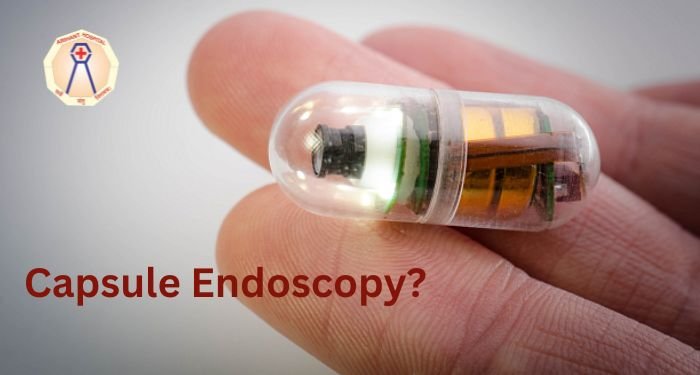
Capsule endoscopy is a procedure that uses a swallowable, pill-sized camera to take thousands of high-resolution images of your digestive tract—especially the small intestine, which is difficult to reach with conventional scopes.
Once you swallow the capsule, it moves naturally through your digestive system. As it travels, it captures 2 to 6 images per second and transmits them wirelessly to a recorder worn around your waist. These images are then analyzed by a gastroenterologist to diagnose various GI conditions.
Why is Capsule Endoscopy Performed?
Traditional upper endoscopy and colonoscopy cannot visualize the entire small intestine, leaving a diagnostic gap. Capsule endoscopy helps bridge this gap, making it an excellent tool for investigating:
-
Unexplained gastrointestinal bleeding
-
Iron-deficiency anemia
-
Crohn’s disease
-
Celiac disease
-
Small bowel tumors or polyps
-
Chronic diarrhea or abdominal pain
-
Suspected intestinal ulcers or infections
If previous tests are inconclusive and symptoms persist, capsule endoscopy can provide the missing answers.
How the Procedure Works
The procedure is simple and well-tolerated by most patients:
1. Preparation
Your doctor may recommend fasting for 8–12 hours and sometimes taking a mild laxative to clear your bowels. This ensures better image quality.
2. Swallowing the Capsule
You’ll be asked to swallow a vitamin-sized capsule equipped with a miniature camera. You’ll also wear a data recorder that collects images as the capsule travels through your GI tract.
3. Monitoring Period
Over 8–12 hours, the capsule moves through your digestive system while you go about your daily activities (with a few restrictions). After this period, you return the recorder.
4. Capsule Exits Naturally
The capsule is disposable and exits the body naturally during a bowel movement—usually within 24 to 48 hours.
5. Image Review
Your gastroenterologist downloads and analyzes the images to detect abnormalities such as bleeding, inflammation, tumors, or structural changes in the intestine.
Benefits of Capsule Endoscopy
Capsule endoscopy offers several key advantages:
✅ Non-Invasive and Painless
No sedation, anesthesia, or insertion of scopes. It’s a swallow-and-go procedure with zero discomfort.
✅ Access to the Entire Small Intestine
Unlike traditional scopes, capsule endoscopy can image the full length of the small bowel.
✅ Minimal Downtime
You can walk, work, or relax during the test. There’s no recovery time needed post-procedure.
✅ Accurate and High-Resolution Imaging
Modern capsule technology captures detailed images that help detect even minor abnormalities.
✅ Ideal for Patients Avoiding Traditional Endoscopy
Patients with medical anxiety, bleeding disorders, or intolerance to sedation may prefer this alternative.
Are There Any Risks?
Capsule endoscopy is safe for most people, but like any medical procedure, it carries a few risks:
-
Capsule retention: In rare cases, the capsule may get stuck due to strictures or blockages. A pre-test with a patency capsule may be recommended.
-
Incomplete imaging: If the capsule battery runs out before passing completely, some areas may be missed.
-
Interference with devices: Patients with pacemakers or defibrillators should inform their doctor beforehand.
Your gastroenterologist will assess your medical history to determine if capsule endoscopy is appropriate for you.
When Should You Consider Capsule Endoscopy?
You may benefit from this procedure if you:
-
Have unexplained anemia, bleeding, or weight loss
-
Experience chronic GI symptoms without a clear cause
-
Have abnormal imaging results that require further evaluation
-
Need follow-up imaging for known small bowel diseases
-
Want a non-invasive option to evaluate digestive concerns
Consulting the best gastroenterologist ensures a personalized approach—maximizing the diagnostic value of the test while minimizing potential risks.
Capsule Endoscopy vs. Traditional Endoscopy
| Feature | Capsule Endoscopy | Traditional Endoscopy |
|---|---|---|
| Invasiveness | Non-invasive | Invasive |
| Sedation | Not required | Usually required |
| Coverage | Entire small intestine | Limited to upper/lower GI |
| Recovery time | None | Few hours |
| Comfort level | High | Moderate to low |
Capsule endoscopy is not a replacement for traditional endoscopy but a powerful complementary tool, especially for small intestine issues.
What Happens After the Procedure?
After returning the recorder, your doctor will analyze the images and share results within a few days. Based on the findings, you may be advised to:
-
Start or adjust medication
-
Undergo further diagnostic tests
-
Schedule a traditional endoscopy or colonoscopy for biopsy
-
Follow a specific dietary or treatment plan
Your gastroenterologist will guide you every step of the way—from diagnosis to treatment and recovery.
Final Thoughts
Capsule endoscopy is a major leap forward in the field of digestive health. It empowers doctors to see deep inside the small intestine without invasive tools—making the process easier, safer, and more effective for patients.
If you’ve been struggling with ongoing digestive symptoms and want accurate answers without discomfort, talk to the best gastroenterologist in your area. With their guidance and the power of capsule endoscopy, you’ll be one step closer to better gut health and a better quality of life.