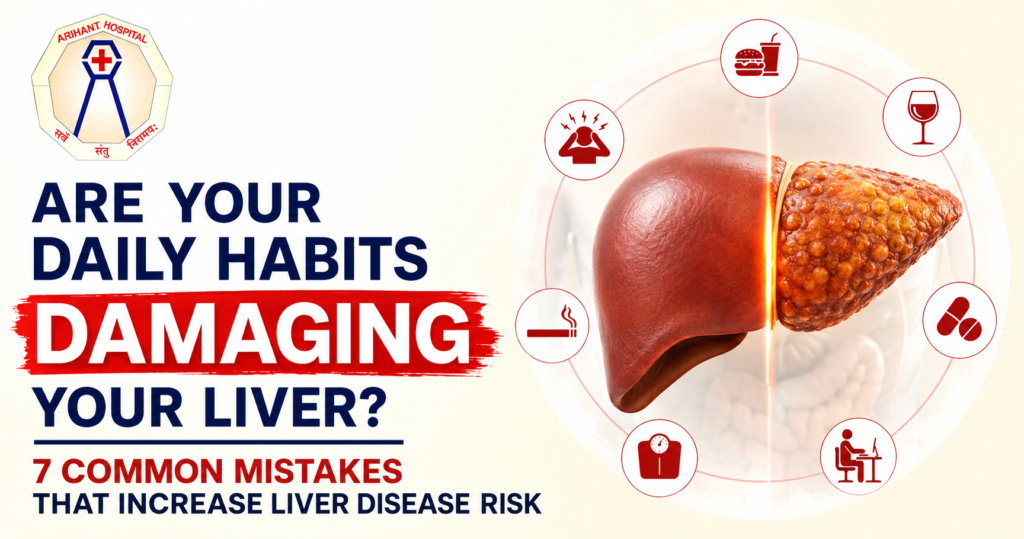
Your liver is one of the hardest working organs in your body. It filters toxins, processes nutrients, stores energy, supports digestion, and plays a major role in maintaining your overall health. Yet, many people unknowingly follow daily habits that slowly damage the liver over time. The effects may not be obvious at first, but years of unhealthy choices can increase the risk of fatty liver disease, liver inflammation, fibrosis, cirrhosis, and even liver cancer.
If you are looking for guidance from a Liver specialist in Nashik, understanding these common mistakes is the first step toward protecting your liver health. Early lifestyle changes and timely medical advice can prevent serious liver-related complications.
In this article, Dr. Chaitanya Lodha explains seven everyday habits that may be harming your liver and what you can do to keep this vital organ healthy.
Why Your Liver Deserves More Attention
The liver performs more than 500 essential functions every day. It helps digest fats by producing bile, regulates blood sugar, stores vitamins and minerals, removes harmful substances from the bloodstream, and supports immunity.
According to the World Health Organization (WHO), liver diseases account for nearly 2 million deaths worldwide every year, making them one of the leading causes of global mortality.
The good news is that many liver diseases are preventable. Healthy daily habits and regular medical checkups can significantly lower your risk.
7 Daily Habits That Can Damage Your Liver
1. Eating Too Much Processed and Sugary Food
Modern diets often include packaged snacks, sugary beverages, fried foods, and refined carbohydrates. These foods contribute to fat accumulation inside the liver, increasing the risk of non alcoholic fatty liver disease (NAFLD).
Research published by the American Liver Foundation states that fatty liver disease has become one of the most common liver disorders worldwide, especially among people who are overweight or have diabetes.
To protect your liver:
- Choose fresh fruits and vegetables.
- Eat whole grains instead of refined carbohydrates.
- Reduce sugary drinks and desserts.
To protect your liver:
- Choose fresh fruits and vegetables.
- Eat whole grains instead of refined carbohydrates.
- Reduce sugary drinks and desserts.
2. Drinking Alcohol Frequently
Alcohol is one of the most well-known causes of liver damage. While the liver can process small amounts of alcohol, frequent or excessive drinking overwhelms the organ and leads to inflammation, fatty liver, alcoholic hepatitis, and eventually cirrhosis.
Even individuals who drink socially should be aware that regular alcohol intake over several years can gradually affect liver function.
The Centers for Disease Control and Prevention (CDC) recommends limiting alcohol intake to reduce liver disease risk.
3. Taking Medicines Without Medical Advice
Many people assume over the counter medicines are completely safe. However, frequent use of painkillers, herbal supplements, or unnecessary antibiotics may damage liver cells when taken in excessive amounts or without proper guidance.
Common examples include:
- High doses of paracetamol (acetaminophen)
- Certain herbal products
- Long term misuse of supplements
Always follow the prescribed dosage and consult a doctor before combining medications.
Other Everyday Mistakes That Increase Liver Disease Risk
4. Living a Sedentary Lifestyle
Sitting for long hours with little physical activity contributes to obesity, insulin resistance, and fatty liver disease.
Regular exercise improves liver function by reducing fat accumulation and improving metabolism. Experts recommend at least 150 minutes of moderate physical activity every week.
Simple activities like walking, cycling, yoga, or swimming can make a noticeable difference.
5. Ignoring Weight Gain
Many people think a few extra kilograms only affect appearance. In reality, excess body fat significantly increases the likelihood of developing fatty liver disease.
According to the American Association for the Study of Liver Diseases (AASLD), obesity is one of the strongest risk factors for metabolic dysfunction associated with steatotic liver disease (formerly NAFLD).
Maintaining a healthy body weight through balanced eating and exercise helps protect the liver and lowers the risk of chronic liver disease.
6. Smoking and Exposure to Harmful Chemicals
Smoking does not only damage the lungs and heart. Tobacco smoke contains harmful chemicals that increase oxidative stress in liver cells, making existing liver conditions worse.
In addition, repeated exposure to industrial chemicals, pesticides, and toxic substances without proper protection can also affect liver health over time.
Quitting smoking benefits not only the liver but also your entire body.
7. Ignoring Early Warning Signs
Many liver diseases progress silently. Symptoms often appear only after significant damage has occurred.
Watch for signs such as:
- Persistent tiredness
- Loss of appetite
- Pain or discomfort in the upper right abdomen
- Yellowing of the skin or eyes
- Dark urine
- Swelling in the legs or abdomen
- Unexplained weight loss
If you notice these symptoms, seek medical evaluation as early diagnosis leads to better treatment outcomes.
How to Keep Your Liver Healthy
You do not need drastic lifestyle changes to protect your liver. Small daily improvements can have long lasting benefits.
Here are some simple habits that support liver health:
- Eat a balanced diet rich in fruits, vegetables, lean proteins, and whole grains.
- Stay physically active throughout the week.
- Maintain a healthy body weight.
- Avoid excessive alcohol consumption.
- Take medicines only as prescribed.
- Drink enough water daily.
- Get vaccinated against Hepatitis A and Hepatitis B when recommended.
- Schedule regular health checkups if you have diabetes, obesity, or a family history of liver disease.
When Should You Visit a Liver Specialist?
You should consult a liver specialist if you experience persistent digestive problems, abnormal liver function tests, unexplained fatigue, jaundice, or symptoms suggestive of liver disease.
People with diabetes, obesity, high cholesterol, or long term alcohol use should also undergo periodic liver health assessments even if they feel well. Early diagnosis allows treatment before permanent liver damage develops.
Protect Your Liver with Expert Care at Arihant Hospital
Your liver works tirelessly every day, and protecting it starts with making healthier lifestyle choices. If you are experiencing liver related symptoms or want a preventive liver health evaluation, Arihant Hospital offers comprehensive diagnosis and advanced treatment for a wide range of liver disorders.
Under the expert care of Dr. Chaitanya Lodha, patients receive personalized evaluation, modern diagnostic facilities, and evidence-based treatment plans for fatty liver disease, hepatitis, cirrhosis, and other digestive conditions. If you are searching for the Best Gastroenterologist in Nashik, Arihant Hospital provides compassionate, patient focused care to help you maintain lifelong liver health.
Hashtags
#LiverHealth #FattyLiver #LiverDiseaseAwareness #HealthyLifestyle #DigestiveHealth #Gastroenterologist #PreventiveHealthcare #ArihantHospital #DrChaitanyaLodha #BestGastroenterologistInNashik