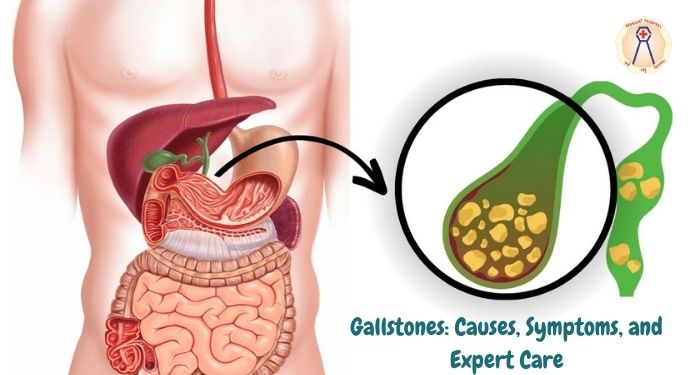
Gallstones are one of the most common digestive and liver-related issues that affect people of all age groups, especially adults over 40. These small, hardened deposits develop inside the gallbladder—a tiny, pear-shaped organ located beneath the liver that plays an important role in digesting fats. While some gallstones remain harmless, others may lead to severe discomfort, indigestion, and serious complications if left untreated.
With the guidance of an experienced Liver Specialist in Nashik, patients can receive accurate diagnosis and treatment for gallstones, ensuring long-term health and relief from recurring symptoms. This blog explains gallstone causes, symptoms, care, and available treatment options.
What Are Gallstones?
The gallbladder stores bile, a digestive fluid made up of water, cholesterol, bile salts, and waste products like bilirubin. Gallstones form when there is an imbalance in these substances. They may vary in size—ranging from tiny grains of sand to larger stones that can block bile ducts and disrupt digestion.
Many people with gallstones experience no symptoms at all, which is why they are sometimes called “silent gallstones.” However, when they cause blockages, they can result in significant abdominal discomfort and require medical attention.
Causes of Gallstones
The exact cause of gallstones is not always clear, but several factors increase the risk:
1. Excess Cholesterol in Bile
If bile contains too much cholesterol, it may crystallize into stones. This is one of the most common reasons gallstones form.
2. High Bilirubin Levels
Medical conditions such as liver cirrhosis, blood disorders, or infections can cause excess bilirubin in the bile, leading to stone formation.
3. Poor Gallbladder Emptying
If the gallbladder does not empty fully or frequently enough, bile becomes concentrated and increases the likelihood of gallstones.
4. Risk Factors
-
Obesity and Overweight: High body weight increases cholesterol in bile.
-
Dietary Habits: High-fat, low-fiber diets contribute to gallstone formation.
-
Gender and Age: Women, especially over 40, are more likely to develop gallstones due to hormonal changes.
-
Family History: A genetic predisposition may increase risk.
-
Rapid Weight Loss: Sudden dieting or fasting can trigger gallstones.
Symptoms of Gallstones
Gallstones can remain asymptomatic for years. However, once they cause obstruction, patients may notice:
-
Sudden abdominal discomfort in the upper right or middle abdomen, often after meals.
-
Nausea and vomiting.
-
Indigestion, bloating, or a feeling of heaviness.
-
Back or shoulder discomfort, particularly between the shoulder blades.
-
Yellowing of the skin and eyes (jaundice) in severe cases.
If you experience any of these symptoms, consulting a Liver Specialist in Nashik is crucial to prevent complications.
Diagnosis of Gallstones
To detect gallstones, doctors may recommend:
-
Ultrasound: A painless and common test to confirm gallstones.
-
Blood Tests: To check for infection, jaundice, or liver function abnormalities.
-
CT or MRI Scan: For detailed imaging in complex cases.
An accurate diagnosis helps in planning the most suitable treatment for each patient.
Treatment and Care for Gallstones
Treatment depends on whether gallstones are causing symptoms and how severe they are.
1. Non-Surgical Care
-
Medications: In selected cases, oral medicines may help dissolve gallstones, but this is a slow process and not always effective.
-
Lifestyle Management: Following a healthy diet, regular exercise, and maintaining an ideal body weight can help reduce risk and discomfort.
2. Surgical Care
If gallstones cause repeated episodes or complications, surgery may be necessary. The most common option is laparoscopic cholecystectomy—a minimally invasive procedure to remove the gallbladder. Patients recover quickly, and the absence of a gallbladder usually does not affect digestion in the long run.
3. Post-Surgical Care
-
Patients are advised to eat a light diet initially.
-
Gradual return to normal activities is encouraged.
-
Regular follow-ups with a Liver Specialist in Nashik ensure smooth recovery.
Lifestyle and Home Care Tips
Preventing gallstones or reducing their impact is possible with healthy habits. Some useful tips include:
-
Maintain a Balanced Diet: Choose fiber-rich foods, fresh fruits, vegetables, and whole grains.
-
Avoid Excessive Fat: Limit fried and processed foods that strain digestion.
-
Stay Active: Regular physical activity helps maintain a healthy weight.
-
Eat Regular Meals: Skipping meals can disrupt bile flow and increase the risk of stones.
-
Gradual Weight Loss: If overweight, aim for slow, steady weight loss rather than crash diets.
Why Consult a Liver Specialist in Nashik?
Gallstones are closely linked to liver and bile duct function. Consulting a Liver Specialist in Nashik ensures:
-
Accurate diagnosis with advanced imaging and testing.
-
Tailored treatment options based on individual health needs.
-
Expertise in minimally invasive procedures for quicker recovery.
-
Comprehensive liver and gallbladder health guidance to prevent future issues.
By seeking care from a specialist, patients not only address gallstones but also receive holistic evaluation of liver health, which is crucial for overall well-being.
Conclusion
Gallstones are a common yet often underestimated health issue. While many cases remain silent, symptomatic gallstones can significantly affect daily life and lead to complications if untreated. With expert guidance from a Liver Specialist in Nashik, patients can access the right diagnosis, treatment, and preventive care.
By following a healthy lifestyle, being mindful of dietary habits, and seeking timely medical advice, individuals can manage gallstones effectively and enjoy long-term digestive and liver health