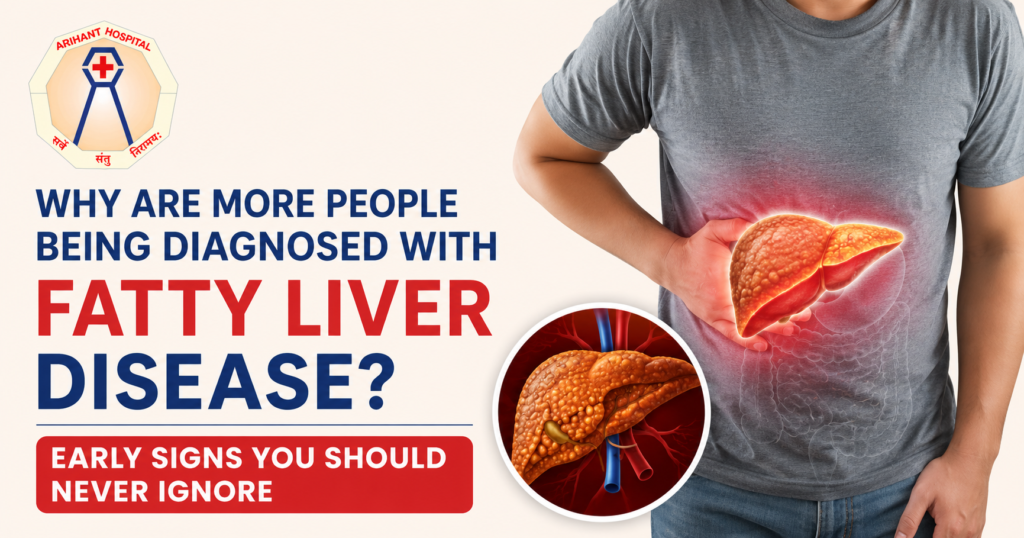
Fatty Liver Disease has become one of the fastest-growing health concerns worldwide. Once considered a condition primarily associated with excessive alcohol consumption, it is now increasingly diagnosed in people who do not drink alcohol at all. Sedentary lifestyles, unhealthy eating habits, obesity, diabetes, and metabolic disorders have contributed significantly to the rising number of cases.
Many people are surprised to learn they have fatty liver disease because it often develops silently without obvious symptoms. By the time noticeable signs appear, the condition may have already progressed. This is why awareness and early detection are so important.
If you are looking for guidance regarding liver health, consulting a Gastroenterologist in Nashik or a qualified liver expert can help identify potential concerns before they become serious. According to Dr. Chaitanya Lodha, understanding the early warning signs and risk factors is the first step toward protecting your liver and overall health.
What Is Fatty Liver Disease?
Fatty Liver Disease occurs when excess fat accumulates in liver cells. While a small amount of fat in the liver is normal, excessive fat buildup can lead to inflammation, liver damage, and, in severe cases, liver scarring known as cirrhosis.
There are two main types:
- Non-Alcoholic Fatty Liver Disease (NAFLD), now often referred to as Metabolic Dysfunction Associated Steatotic Liver Disease (MASLD)
- Alcohol-Related Fatty Liver Disease
The majority of new diagnoses today are linked to non-alcoholic fatty liver disease, which is closely associated with obesity, insulin resistance, high cholesterol, and type 2 diabetes.
According to the American Liver Foundation, nearly 25% of adults worldwide are estimated to have non-alcoholic fatty liver disease, making it one of the most common liver disorders globally.
Why Are More People Being Diagnosed with Fatty Liver Disease?
The rise in fatty liver disease cases is not necessarily because the disease is new. Instead, several lifestyle and healthcare factors have contributed to increased diagnosis rates.
Modern Lifestyle Habits
Today’s lifestyle often includes:
- High consumption of processed foods and sugary beverages
• Limited physical activity
• Long working hours with prolonged sitting
• Increased stress levels
• Poor sleep quality
These habits can lead to weight gain, insulin resistance, and fat accumulation in the liver.
Rising Rates of Obesity and Diabetes
Obesity and type 2 diabetes are strongly linked to fatty liver disease. The World Health Organization reports that global obesity rates have more than doubled since 1990, significantly increasing the risk of metabolic disorders and liver-related complications.
Better Screening and Awareness
Improved diagnostic tools such as liver function tests, ultrasounds, FibroScan assessments, and routine health checkups have helped doctors identify fatty liver disease earlier than ever before.
As awareness grows, more individuals are undergoing preventive health screenings, leading to higher detection rates.
Early Signs of Fatty Liver Disease You Should Never Ignore
One of the biggest challenges with fatty liver disease is that many people experience no symptoms during the early stages. However, certain warning signs may indicate that your liver is under stress.
Common Symptoms to Watch For
- Persistent fatigue or low energy levels
• Mild pain or discomfort in the upper right abdomen
• Unexplained weakness
• Difficulty concentrating or brain fog
• Feeling unusually tired after routine activities
These symptoms are often overlooked because they can be associated with many other conditions.
Signs of Disease Progression
As fatty liver disease advances, symptoms may become more noticeable, including:
- Unexplained weight loss
• Swelling in the abdomen
• Swelling in the legs and ankles
• Yellowing of the skin or eyes (jaundice)
• Increased bruising or bleeding
If these symptoms occur, immediate medical evaluation is essential.
Who Is at Higher Risk?
Certain individuals are more likely to develop fatty liver disease than others.
Major Risk Factors
- Being overweight or obese
• Type 2 diabetes
• High cholesterol or triglycerides
• High blood pressure
• Polycystic ovary syndrome (PCOS)
• Sleep apnea
• Family history of liver disease
Even people with a normal body weight can develop fatty liver disease if they have underlying metabolic conditions.
Can Fatty Liver Disease Be Reversed?
The encouraging news is that fatty liver disease can often be reversed, especially when detected early.
Research from the National Institute of Diabetes and Digestive and Kidney Diseases shows that lifestyle modifications can significantly reduce liver fat and improve liver function.
Effective Ways to Improve Liver Health
A few key changes can make a significant difference:
- Maintain a healthy weight through gradual weight loss.
- Follow a balanced diet rich in vegetables, fruits, whole grains, and lean proteins.
- Reduce intake of sugary foods and processed snacks.
- Exercise regularly for at least 150 minutes per week.
- Avoid excessive alcohol consumption.
- Manage diabetes, cholesterol, and blood pressure effectively.
These steps not only improve liver health but also reduce the risk of heart disease and other metabolic conditions.
When Should You Consult a Liver Specialist?
Many people wait until symptoms become severe before seeking medical attention. However, fatty liver disease is most treatable when detected early.
You should consider consulting a doctor if:
- Your liver function tests are abnormal
• You have diabetes or obesity
• You experience persistent fatigue without explanation
• An ultrasound indicates fatty liver changes
• You have a family history of liver disease
Regular monitoring can help prevent progression to liver fibrosis, cirrhosis, or liver failure.
The Importance of Early Diagnosis
Early diagnosis allows doctors to identify the severity of liver involvement and recommend appropriate treatment plans. In many cases, lifestyle modifications can prevent long-term complications.
A qualified Liver specialist in Nashik can evaluate your risk factors, perform detailed liver assessments, and create a personalized management plan to improve liver health and overall well-being.
Trust Arihant Hospital for Expert Liver Care
If you are concerned about fatty liver disease or experiencing symptoms related to liver health, Arihant Hospital offers comprehensive evaluation and treatment under the guidance of experienced specialists, including Dr. Chaitanya Lodha. With advanced diagnostic facilities, personalized treatment approaches, and a patient-focused philosophy, the hospital is committed to helping individuals achieve better liver health.
Whether you need preventive screening, expert consultation, or ongoing management, a trusted Liver specialist in Nashik at Arihant Hospital can help you take proactive steps toward protecting your liver and improving your quality of life.
#FattyLiverDisease #LiverHealth #HealthyLiver #LiverCare #DigestiveHealth #PreventiveHealthcare #FattyLiverAwareness #LiverSpecialist #Gastroenterology #ArihantHospital